🐉 Fantasy & Cosplay
Historical Swords vs. Fantasy Swords: Understanding the Differences
By SwordPath Editorial Team · Published · 7 min read
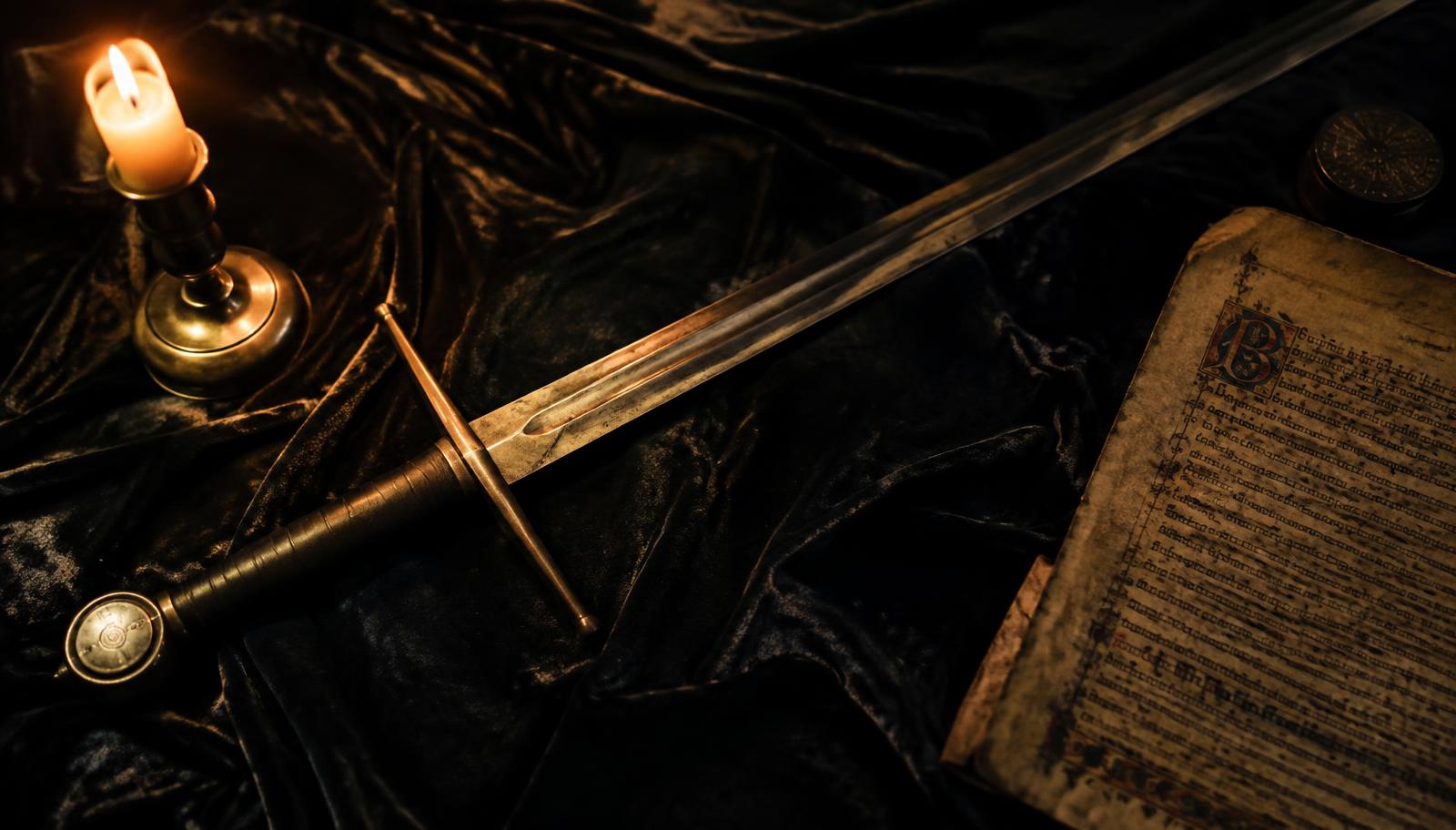
Fact, interpretation and lore
On SwordPath we label fictional material clearly. Excalibur, for example, belongs to Arthurian legend; there is no archaeological evidence of a historical King Arthur's sword. Real surviving swords are documented in museum collections [1].
Common fantasy features vs. reality
| Fantasy feature 🐉 | Historical reality ⚔️ |
|---|---|
| Huge, thick blades | Real blades were thin and distally tapered to stay light and balanced |
| Multiple hooks and spikes | Rare; they add weight and catch on things |
| Swords carried on the back | Long swords were generally worn at the hip or carried, not drawn from the back |
| Glowing or magic blades | Fiction |
Tips for cosplay swords 🎭
- Many events ban real steel; foam, EVA or resin props are usually required. Check the specific event's weapons policy.
- Lightweight materials let you build dramatic fantasy designs safely.
- Transporting even prop weapons in public can raise legal issues — check local rules.
Frequently asked questions
Was Excalibur real?
Excalibur is a legendary sword from Arthurian literature. There is no reliable historical evidence that it existed.
Sources
✍️ Found an error? Report a correction. Written and edited by the SwordPath Editorial Team; not externally expert-reviewed. See our editorial policy.