🏛️ Sword Collecting
A Beginner's Guide to Sword Collecting
By SwordPath Editorial Team · Published · 8 min read
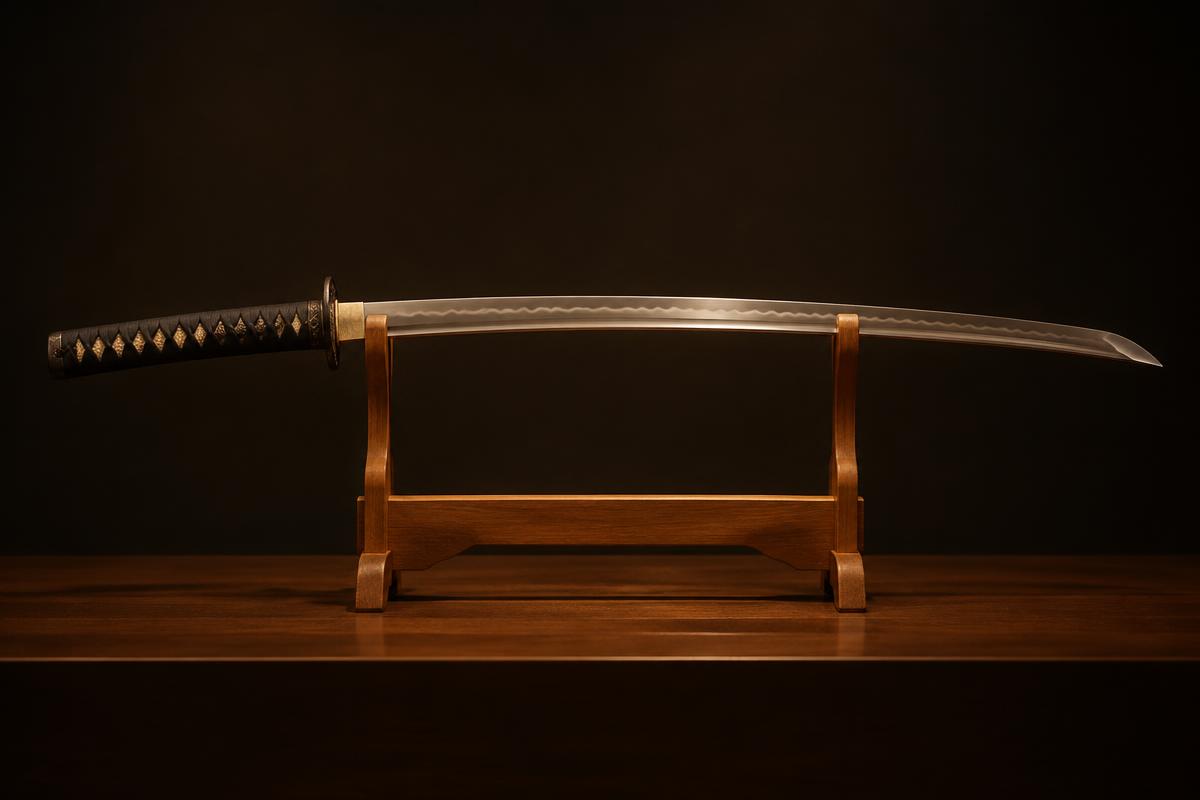
Decide what kind of collector you are
- Decorative replicas — inexpensive, often not suitable for handling or cutting.
- Functional reproductions — built for historical martial arts or display with realistic handling.
- Antiques — genuine historical pieces; expensive and frequently faked or misattributed.
Research before you buy 🔍
Study real examples in museum collections online — such as the Met and the Royal Armouries — to learn what authentic features look like [1][2]. Compare a listing's photographs to published examples.
Be cautious with antiques described with dramatic stories but no provenance. Ask for documentation, and consider independent expert opinion for significant purchases.
Care and storage
- Handle blades with clean, dry hands, or wipe after handling to prevent rust.
- Apply a light protective oil appropriate to the steel; follow specialist advice for antique and Japanese blades.
- Avoid storing blades long-term in leather scabbards, which can hold moisture.
- Never polish an antique Japanese blade yourself — amateur polishing can destroy its value.
The law ⚖️
Laws on owning, buying, carrying and importing swords vary greatly between countries and even regions. SwordPath does not give legal advice. Check official government sources for your jurisdiction before buying or travelling with a blade — for example, the UK government publishes guidance on knife and offensive weapon law [3].
Frequently asked questions
How can I tell if an antique sword is genuine?
There is no single test. Provenance, construction details, wear patterns and expert examination together build confidence. See our identification and parts guides to get started.
Sources
✍️ Found an error? Report a correction. Written and edited by the SwordPath Editorial Team; not externally expert-reviewed. See our editorial policy.